The Road to Girona: Cycling and Trail Running Northern Spain's Pyrenees

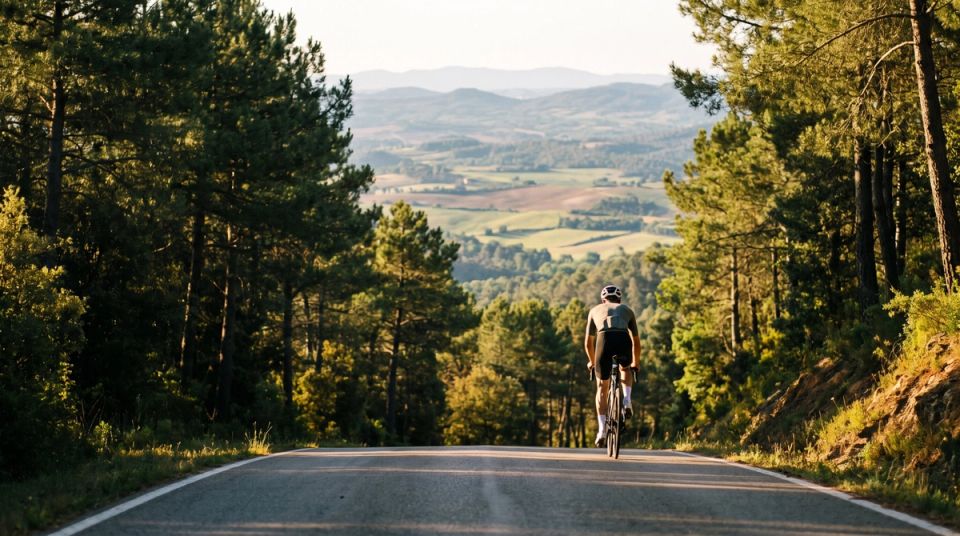
Girona didn't ask to become cycling's secret capital, and it still isn't entirely sure how it happened. A quiet Catalan market town an hour north of Barcelona, unremarkable enough that most people couldn't place it on a map a decade ago, somehow ended up as the off-season training base for half the WorldTour peloton. Ask why and you get a shrug and a list of roads. That list is the point of this guide.
Ride those same roads out of town, chase the segment-hunters up Rocacorba, then keep going north until the climbs stop being about Strava and start being about the Pyrenees proper: trail running, via ferrata, and a national park that thins the crowds out for good.
Important Facts
Why Girona Became Cycling's Secret Capital
The honest answer is roads, not romance. Girona sits at the point where flat valley riding, rolling farmland and proper mountains all meet within an hour of each other, which means a training block here covers everything a rider needs without ever repeating a route. Add a direct flight from most of northern Europe and a town small enough to actually get to know, and the appeal stops being mysterious fairly quickly.
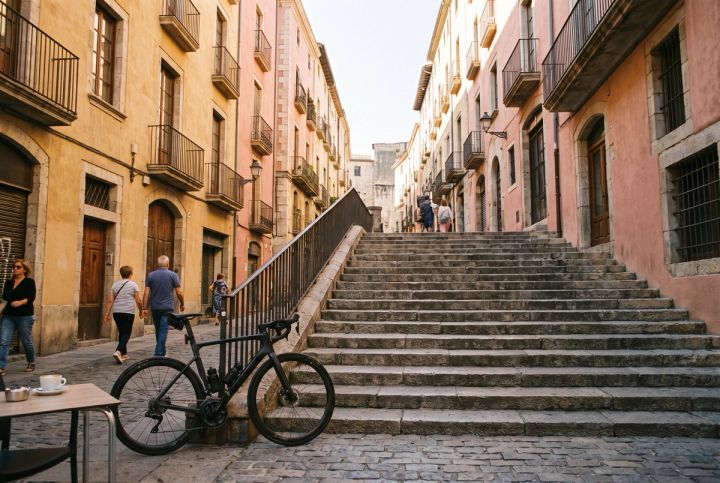
None of which makes the old town less worth a wander before you start riding. The cathedral steps, ninety of them, climbing straight up from the Onyar river, are as good a warm-up for the gradients ahead as anything on two wheels. Start there, coffee first, before the roads do the actual work.
The Rocacorba Climb and Girona's Training Loops
Rocacorba is the climb every pro's Strava file mentions, and the reason is straightforward: it's brutal in exactly the way a training climb needs to be. Around 10km from the stone bridge at the bottom to the summit, with roughly 750 metres of climbing and an average gradient of 7%, numbers that undersell it. The first three kilometres ease you in at a reasonable 5.7%, then the middle section turns properly punishing at around 9.5%, with ramps near the top touching 15%. There's no shame in stopping for a look at the view. Everyone does.
Skip the segment-hunting if you can help it. Watching a queue of very fit strangers stare at their head units rather than the valley below rather defeats the point of riding somewhere this good, though it is, admittedly, part of the local scenery now.
Beyond Rocacorba, Girona's real strength is the sheer number of established loops radiating out from town: gentle valley spins for recovery days, rolling farmland routes for tempo work, and enough variation that a week-long trip never needs to repeat a road.
Gravel and Coast: The Empordà and Costa Brava
Swap the road bike for something with a bit more tyre and the Empordà plain opens up: flat, quiet farm tracks between Girona and the coast that make for an easy contrast to the climbing days. It's the kind of riding that exists mostly to let your legs recover while still covering distance.
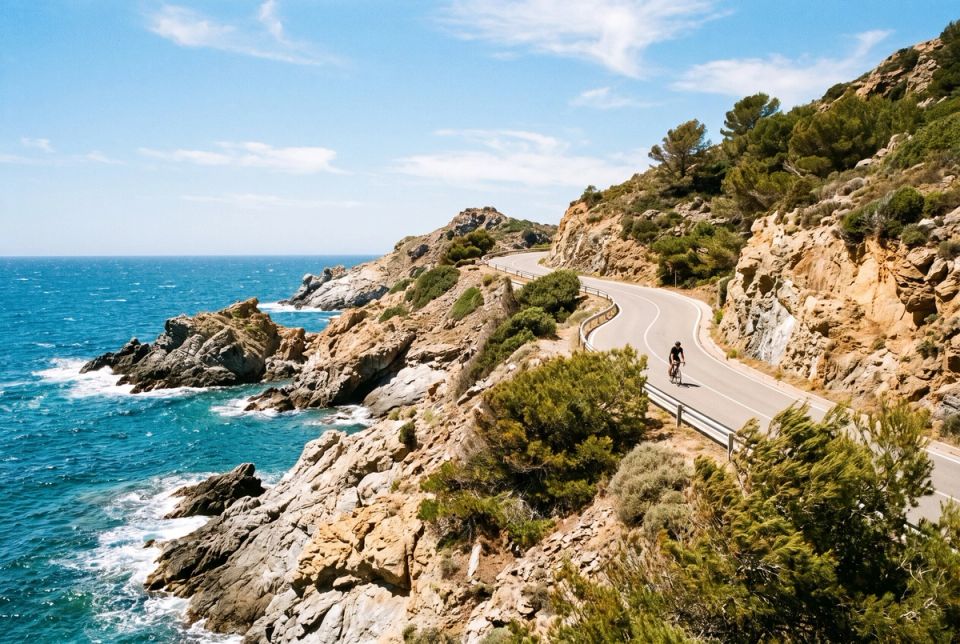
The Costa Brava coast road is the other reset button, proper sea views, less traffic than the name suggests once you're past the resort towns, and Cap de Creus at the end of it as a natural turnaround point, all rock and wind and very little else.
Into the Pyrenees: Trail Running and Via Ferrata
North of Girona the character of the riding changes entirely. The climbs get longer, the traffic disappears, and eventually the road runs out altogether. That's where this guide stops being about cycling.
Ports de Rodes and the surrounding Pyrenean foothills are proper trail-running territory, technical enough to be interesting without needing mountaineering kit, and quiet enough that you'll likely have long stretches of it to yourself. For something with more exposure, the via ferrata routes around Montserrat mix fixed cables and ladders with genuinely dramatic rock scenery, and are graded widely enough that a confident beginner and an experienced scrambler can both find something worth doing.
Vall de Núria makes a sensible base for pushing further into the high country, reachable by a rack railway that saves your legs for the actual climbing once you're there.
The High Pyrenees: Aigüestortes and Mountain Running
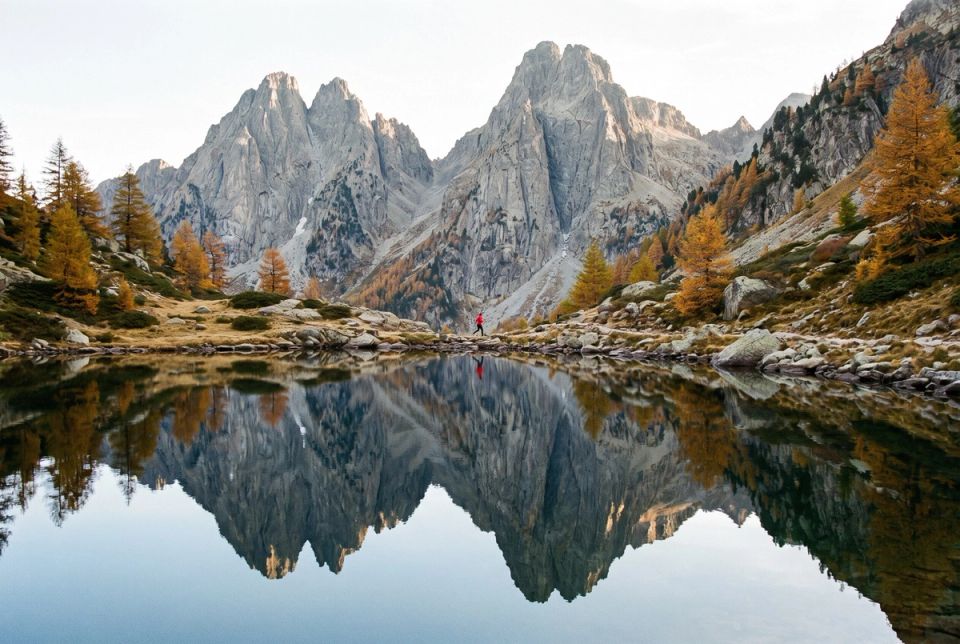
Aigüestortes i Estany de Sant Maurici, Catalonia's only national park, is where the scenery stops being merely good and starts being the whole reason for the trip: glacial lakes, granite peaks and a silence that's rare anywhere within striking distance of a WorldTour training town.
For anyone wanting to turn the trip into something harder, the high Pyrenees host a genuine mountain-running and ultra scene, established routes and races that will happily eat a week of proper training if that's what you're after.
If any of this sounds like your kind of week, get in touch about upcoming Here Now Adventures trips to the region, or have a browse of our other European cycling and trail-running guides while you plan your own route.


