Why Croatia Is Europe's Best Kept Adventure Secret

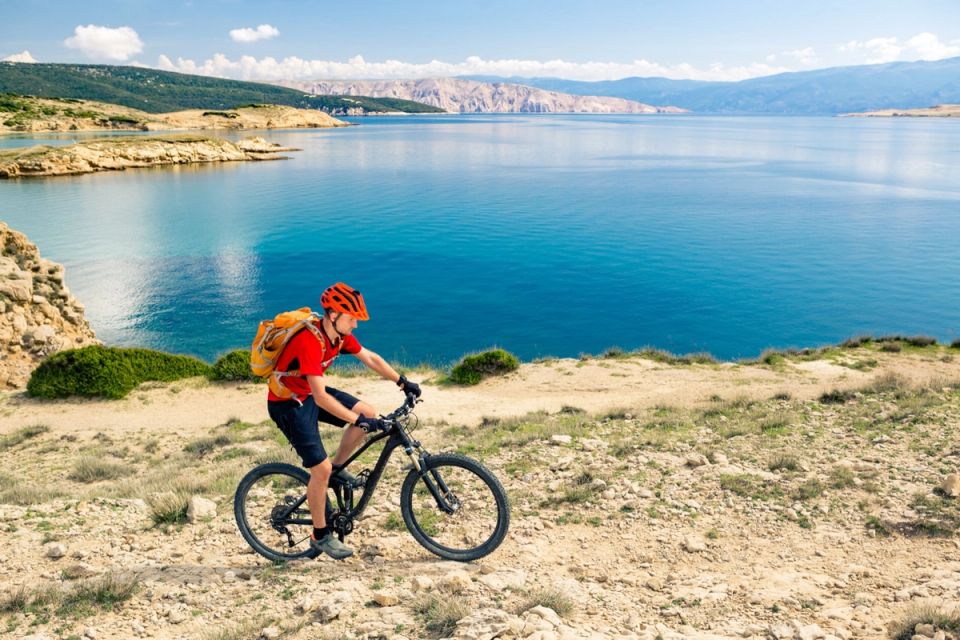
There is a version of a Croatia holiday that involves a sun lounger, a glass of something cold, and the comfortable fiction that you are "exploring." This is not that guide.
I've been properly into Croatia lately, mostly because our co-founder Donovan is heading out there from South Africa in a few weeks to race the 4Islands Epic across the Kvarner islands with his German riding partner Ole. Getting into where he's going and what's out there got me looking into the country properly, and I thought: if it's good enough to drag Don halfway across the world on a bike, it deserves a proper guide. So here one is.
Croatia has 1,244 islands, a coastline stretching over 1,700km, eight national parks, four UNESCO World Heritage sites, some of the best mountain bike terrain in Europe, sea kayaking that will ruin you for anything else, and food that deserves its own article. It also has Dubrovnik, which is basically a real-life film set, because it is literally a real-life film set. More on that later.
Here is what you can actually do there.
"Croatia has 1,244 islands, eight national parks, and some of the best mountain bike terrain in Europe. Almost nobody outside the cycling community knows about it yet. That window won't stay open forever."
On a Bike: From Hilltop Towns to Island Trails
Croatia has quietly become one of Europe's most exciting cycling destinations, and almost nobody outside the mountain bike community knows about it yet. That window won't stay open forever.
The Istrian peninsula in the north is the most developed region for cycling of any kind. The Parenzana trail, built along a former narrow-gauge railway, winds through hilltop medieval towns including Motovun, Grožnjan and Hum, connecting vineyards, olive groves and coastal views across rolling terrain that suits riders of almost any level. Istria is also where gravel riding has taken off fastest, mixing sealed roads, dirt tracks and forest paths into routes that feel genuinely exploratory.
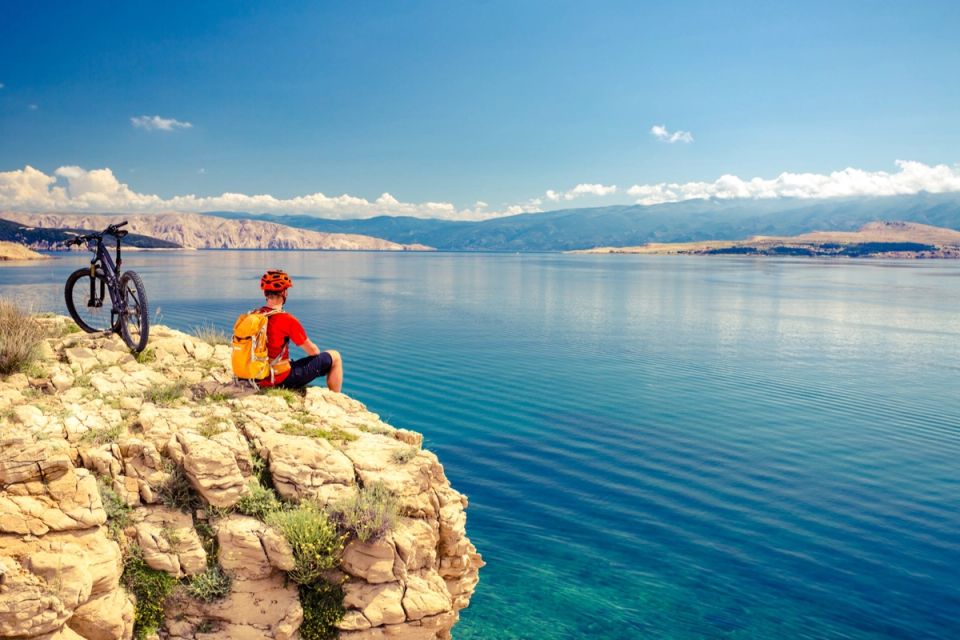
Further south, the islands are a different challenge entirely. The northern Kvarner islands, including Krk, Cres and Rab, have become well known in the MTB community partly because of the 4 Islands Epic, while the southern Dalmatian islands are increasingly used by professional cycling teams for winter training camps. The terrain is predominantly limestone rock rather than dirt, and the climbs accumulate. If you want a gentle pedal, look elsewhere. If you want to earn your views, this is your place.
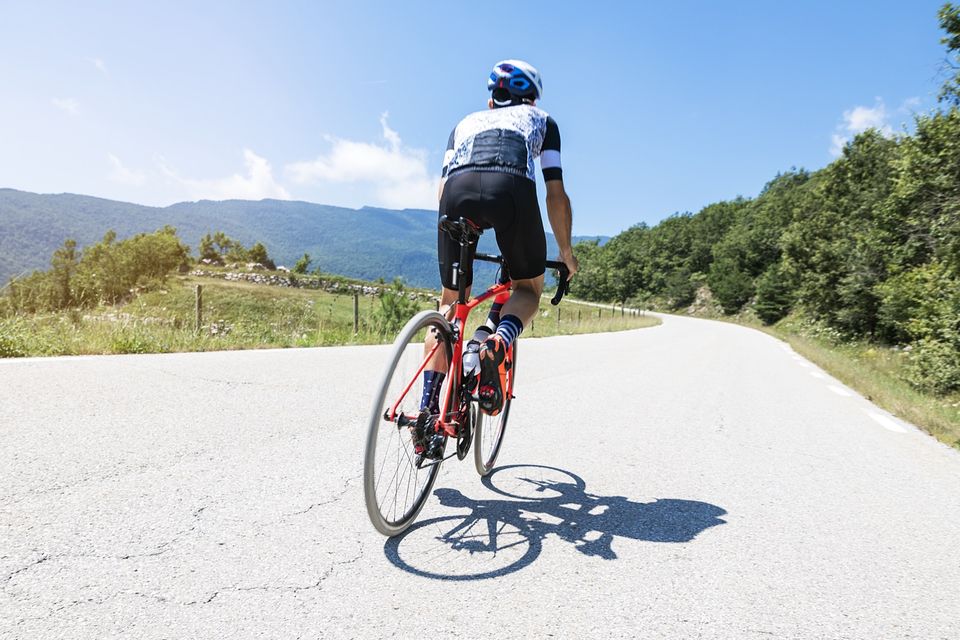
For those who want the full experience without the race entry, the Dalmatian coast between Split and Dubrovnik is increasingly popular as a bike and sail route, combining riding on the islands of Hvar, Brač and Korčula with overnight accommodation on a sailing vessel. Ancient macadam roads and old shepherd paths cross through centuries-old vineyards, past seaside fortresses built from local limestone, through mountain air thick with wild lavender, sage and thyme. It is riding unlike anywhere else.
For the hardiest riders, the TransDinarica Trail is a 514km route through Croatia's rugged Dinaric Alps, passing through Northern Velebit National Park and over Dinara Mountain with more than 8,700 metres of elevation gain in Croatia alone. This is a serious undertaking, not a weekend spin.
"The terrain is predominantly limestone rock, and the climbs accumulate. If you want a gentle pedal, look elsewhere. If you want to earn your views, this is your place."
On the Water: Kayaks, Cliffs, and the Cetina River
With that coastline, you would have to work hard to avoid the water. The good news is there is no reason to.
Sea kayaking is one of the best ways to see Croatia that most visitors never discover. The Dalmatian islands near Zadar offer some of the most spectacular paddling in Europe: through hidden sea caves, past secluded beaches inaccessible by land, and across channels between islands that appear on no tourist map. The Kornati archipelago, over 140 islands in a national park with barely any inhabitants, is a standout destination for multi-day trips.
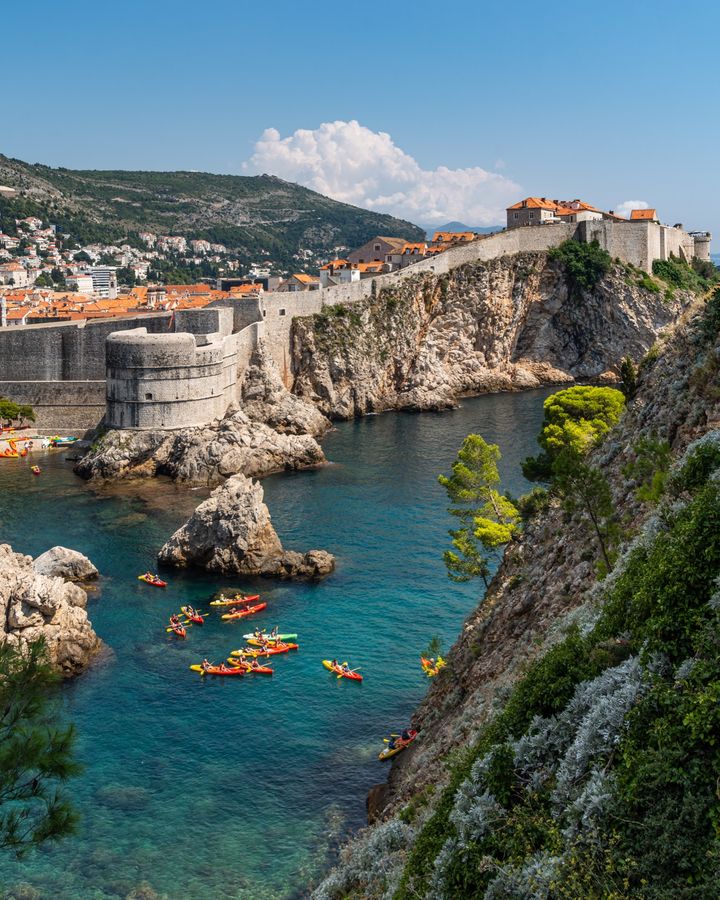
Dubrovnik itself is arguably better seen from the water than from the walls. A paddle around the old city's sea-facing fortifications gives you a perspective that no photograph from the battlements can match.
White-water rafting on the Cetina River near Omiš is consistently rated among Croatia's best adventure experiences, combining fast water with canyon scenery and the surreal backdrop of the Dalmatian coast visible at the river's mouth. The same area is one of Croatia's top rock climbing destinations, with limestone crags above the canyon offering routes for beginners and experienced climbers alike.
For something more unusual, Crikvenica has a zipline that is the first in Europe to travel over the sea: 500 metres of wire at around 100 feet high, giving riders views of the Adriatic coastline before depositing them on the other side. Thirty seconds of pure speed. Cliff diving is popular along the Makarska Riviera. And sailing between the islands, on a proper vessel rather than a party boat, stopping where you like, eating what's local, remains one of the great ways to see any country.
"Dubrovnik is arguably better seen from the water than from the walls. A paddle around the old city's sea-facing fortifications gives you a perspective that no photograph from the battlements can match."
On Foot: Eight National Parks and Counting
Croatia has eight national parks and you could spend weeks working through them without repeating yourself.
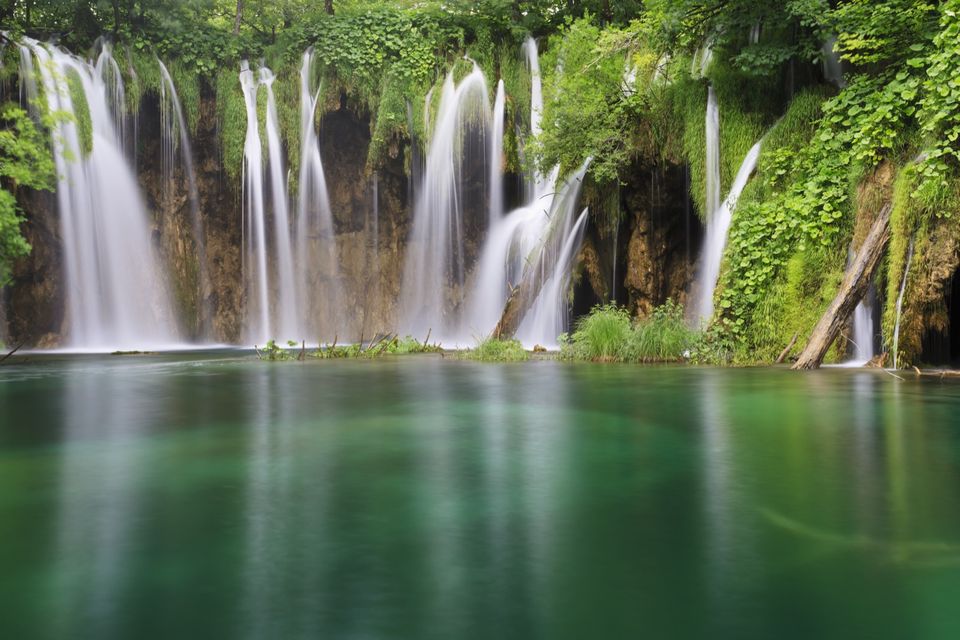
Plitvice Lakes is the most famous and, outside July and August when it becomes genuinely crowded, one of the most extraordinary places in Europe. Sixteen lakes connected by waterfalls, all in shades of turquoise that don't look real, with boardwalks running directly over the water and hiking trails disappearing into beech, spruce and pine. Bears, wolves and deer live here. The 78-metre Veliki Slap is Croatia's tallest waterfall. Best visited in shoulder season, when the light is softer and the crowds are thinner.
Paklenica National Park, visible as a dramatic gash in the Velebit mountains, is Croatia's premier climbing destination. Two great canyons cut deep into the limestone, with hundreds of established routes criss-crossing the walls and trails rising to the high alpine peaks above.
The Velebit range itself is home to some of the country's most remote and rewarding walking. Northern Velebit is a national park and a jumping-off point for the Via Dinarica trail, which runs from Slovenia through to Macedonia. Multi-day routes between mountain huts give you days of ridge walking with the Adriatic laid out below.
Mljet island, cloaked in dense pine forest, is where legend says Odysseus was marooned for seven years. Looking at it, you understand why he took his time leaving. The entire western section is a national park, with two cobalt-blue lakes, an island monastery, and barely any noise.
"Legend says Odysseus was marooned on Mljet for seven years. Looking at it, you understand why he took his time leaving."
The Islands: 1,244 of Them, Take Your Pick
Croatia has 1,244 islands. Forty-eight are inhabited. Every one is different.
Hvar gets the most sun of any island and, in high summer, a party scene that arrives by yacht and doesn't leave until September. But beyond Hvar Town, the interior is largely uncharted: lavender fields, pine forests, traditional villages, and a mountain peak at Sveti Nikola (708 metres) that rewards the climb with views across the whole Dalmatian chain.
Vis is the one the locals quietly prefer. Under-the-radar, under-developed, and deliberately so. Stark cliffs over azure water, whitewashed houses with terracotta roofs, fresh seafood paired with white wine from the local vugava grape. The nearby island of Biševo has the Blue Cave, where the water glimmers an otherworldly silver-blue when the sun hits the entrance at just the right angle in late morning.
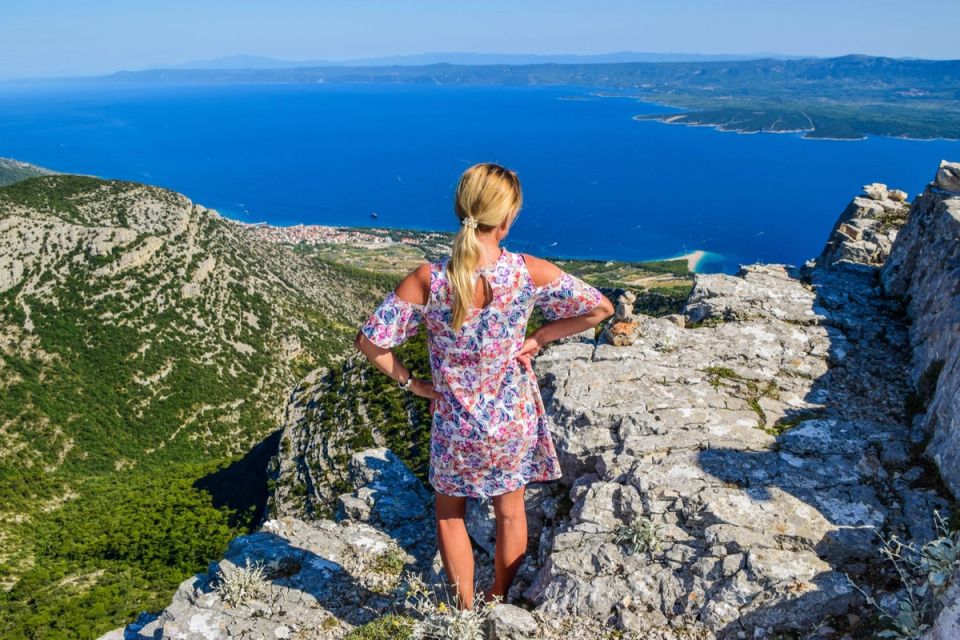
Brač is the largest Dalmatian island, home to the famous Zlatni Rat beach near Bol, with its iconic tongue of golden pebbles extending into the channel. It is also serious mountain bike territory, with the Vidova Gora summit at 778 metres earning its views.
The Kvarner islands, where Donovan and Ole are racing right now, are the ones the cycling community has discovered most recently. Rocky, raw, and quiet outside race week. Krk, Cres, Unije and Lošinj have the kind of terrain that invites exploration rather than resort-sitting.
"Vis is the one the locals quietly prefer. Under-the-radar, under-developed, and deliberately so."
The Cities Worth a Day or Two
Dubrovnik is almost too beautiful to be comfortable. The walls were built between the 12th and 17th centuries and have never once been breached, though many have tried. Walk them early, before the daily armada of cruise ships unloads. The biggest threat to the city today is not invaders but over-tourism, and the walls at 8am are a different experience entirely from the walls at midday in August. The city was used as King's Landing in Game of Thrones, which is either exciting or irritating depending on your relationship with the show. Either way, it's unmissable.
Split is the working city that Dubrovnik is not. Diocletian's Palace, one of the world's most remarkable Roman ruins, is not a museum you visit. It's a labyrinth of narrow streets, bars, restaurants and apartments where people actually live and have done for 1,700 years. Getting lost in it is the point.
Zadar is fast becoming the destination that people who have already done Dubrovnik and Split discover next. Honest, down-to-earth, with a Roman forum still in daily use and a sea organ on the waterfront that plays music using nothing but wave action and air pipes. Alfred Hitchcock called the sunset in Zadar the most beautiful in the world. Standing there in the evening light, you begin to see his point.
When to Go
Avoid July and August if you're there for adventure rather than beach-going. The shoulder seasons of May-June and September are the sweet spot: the Adriatic is warm enough to swim, the trails are not baked solid, the crowds are manageable, and the prices are lower. Istria and the northern islands are particularly good in spring, when the wildflowers are out and the roads are quiet. Plitvice Lakes in October, when the trees turn, is something else entirely.
The Food
Burek for breakfast: a flaky pastry stuffed with meat, cheese or spinach, wildly underrated. Pršut, the dry-cured ham from the Dalmatian hinterland, is as good as anything from Italy or Spain. Paški sir, the sheep's cheese from Pag Island, is flavoured by the salty coastal grasses the animals graze on and unlike any other cheese you've tasted. Seafood along the coast is fresh and simply prepared. Rakija, the local brandy, comes in flavours from plum to honey and appears at the start, middle and end of most meals whether you requested it or not.
One Last Thing
Donovan and Ole will be racing 300km across the Kvarner islands in the 4Islands Epic, part of the same Epic Series family as the ABSA Cape Epic in South Africa, one of the hardest mountain bike stage races in the world. He will be posting daily video updates from the trail, from the boat between stages, from wherever the day ends.
It is exactly the kind of adventure Here Now Adventures exists to inspire.
Follow along when he gets there at @herenowadventures on Instagram.
🇭🇷 Croatia is waiting.


