The Lazy Dog Theory of Getting Into Ultra Running

My running partner won't run
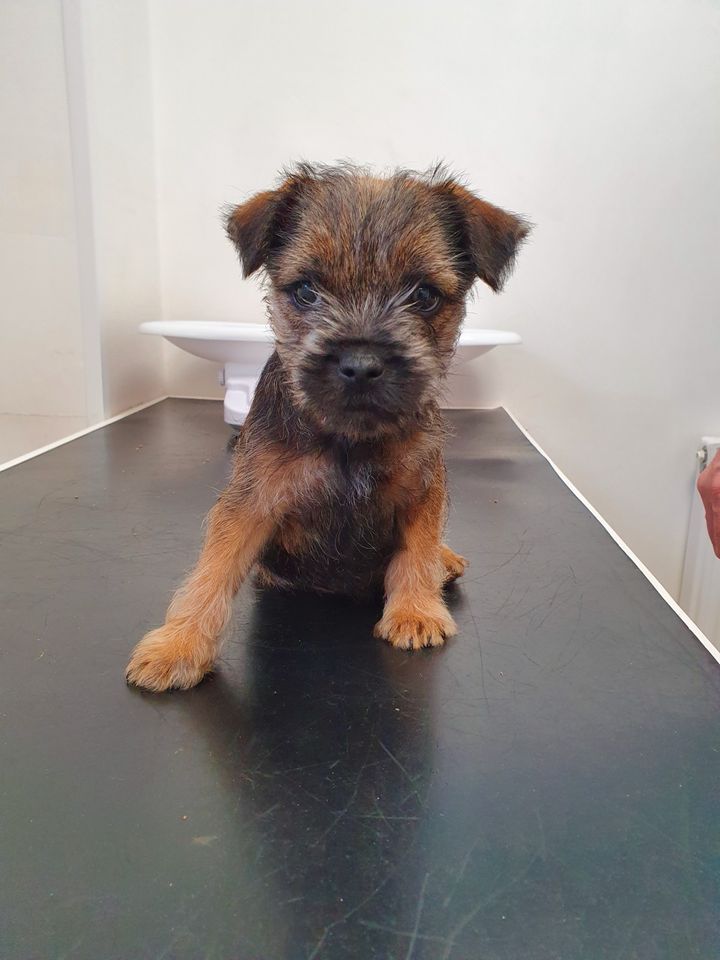
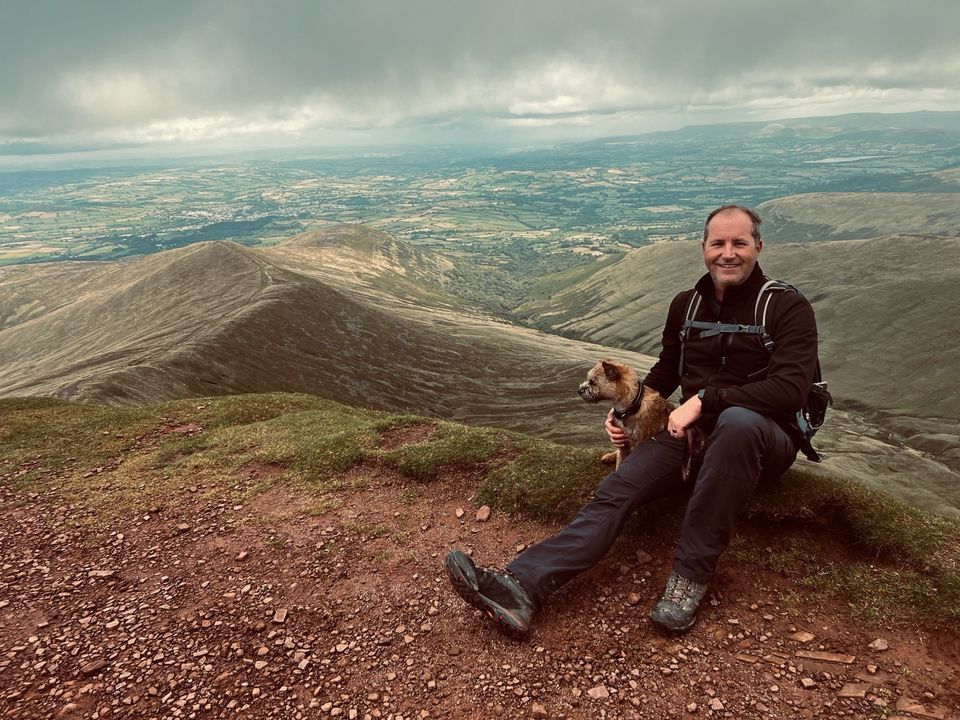
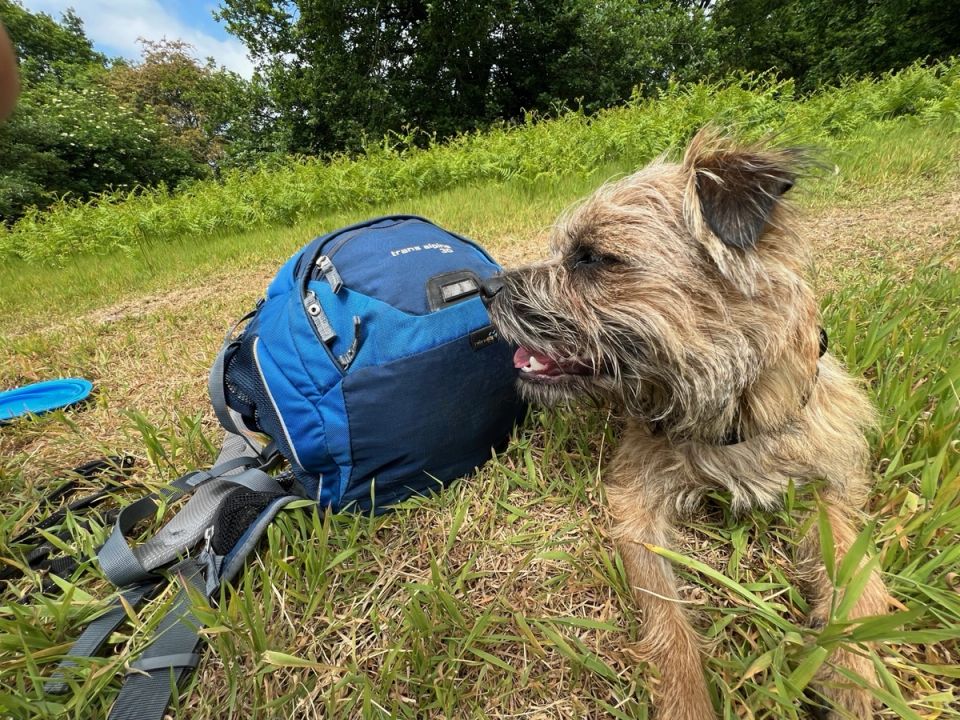
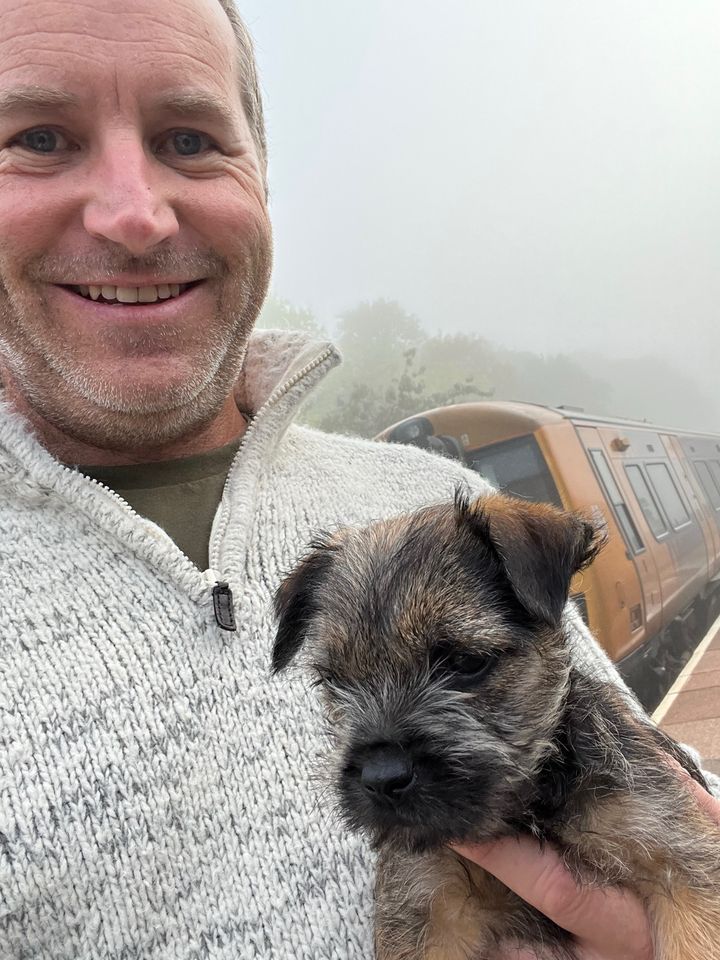
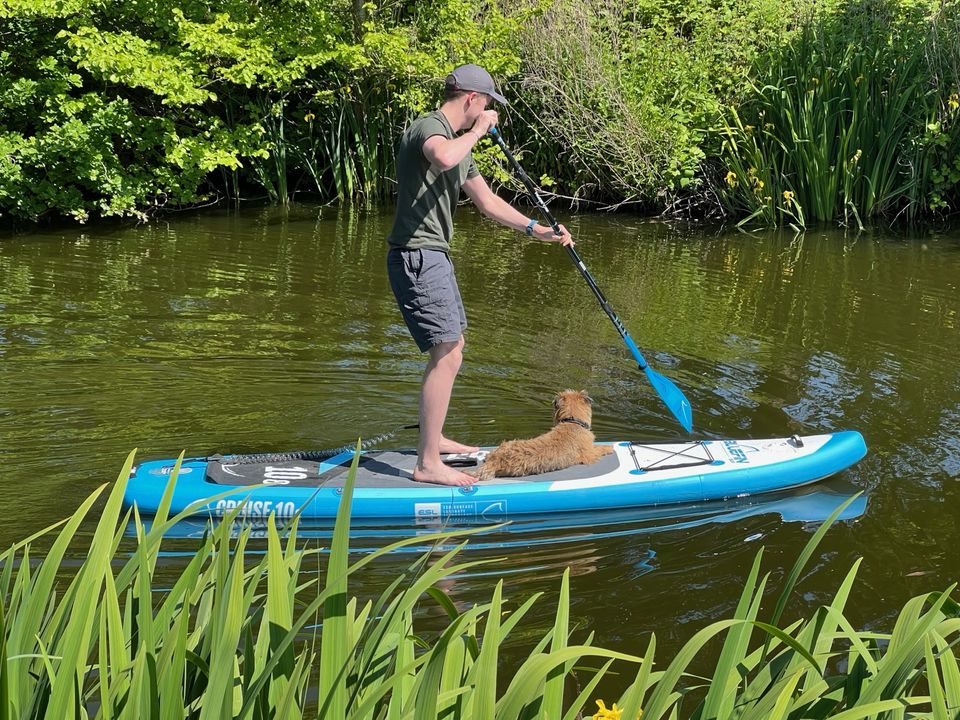
Griffin is a border terrier. He's three and a half years old, sandy-coloured, opinionated, and the dog I bought a couple of years ago. I sought him out for all the normal dog things like companionship, the all round cuddliness, and someone to tear up my Amazon parcels when I haven’t got outside quick enough to collect them when the driver has slung them over our gate like a discus. Specifically, though, I wanted him to help me get back into running.
It became apparent quite quickly that he's not a runner.
Don't get me wrong. He loves the lead coming off the back of the kitchen door. He loves the door opening. He loves being off-lead in the mountains, where he turns into a different animal entirely, ranging ahead and circling back like a small furry sergeant major checking on his troops. What he doesn't love, it turns out, is the actual running.
On a structured run, with the lead on, he is fully committed to his own agenda. He pisses on every bush. He sniffs every rabbit hole. He has opinions about every other dog we pass. Even though he’s only little, and the friendliest dog I’ve ever had, taking him for a walk is like having Joe Pesci on the end of the lead.
His best move, though, is off the lead when he's decided he's done with whatever pace I've set or distance we’ve run. He gets ahead of me on the path and simply lies down across it. Just lies there, in the middle of the trail, forcing me to go either around or over him. I’ll do that once or twice, but after 5 minutes or so of steeple chase with my own dog as the obstacle, I give in, and we slow down to a walk.
He does love adventure. Just on his terms.
The race I kept thinking about
I've been aware of the UTMB for years. The Ultra-Trail du Mont-Blanc. A hundred and seventy-five kilometres of trail running around the highest mountain in Western Europe, ten thousand metres of climbing, starting in Chamonix, looping through France, Italy and Switzerland, and finishing back in Chamonix. The pinnacle European trail race for ultra runners.
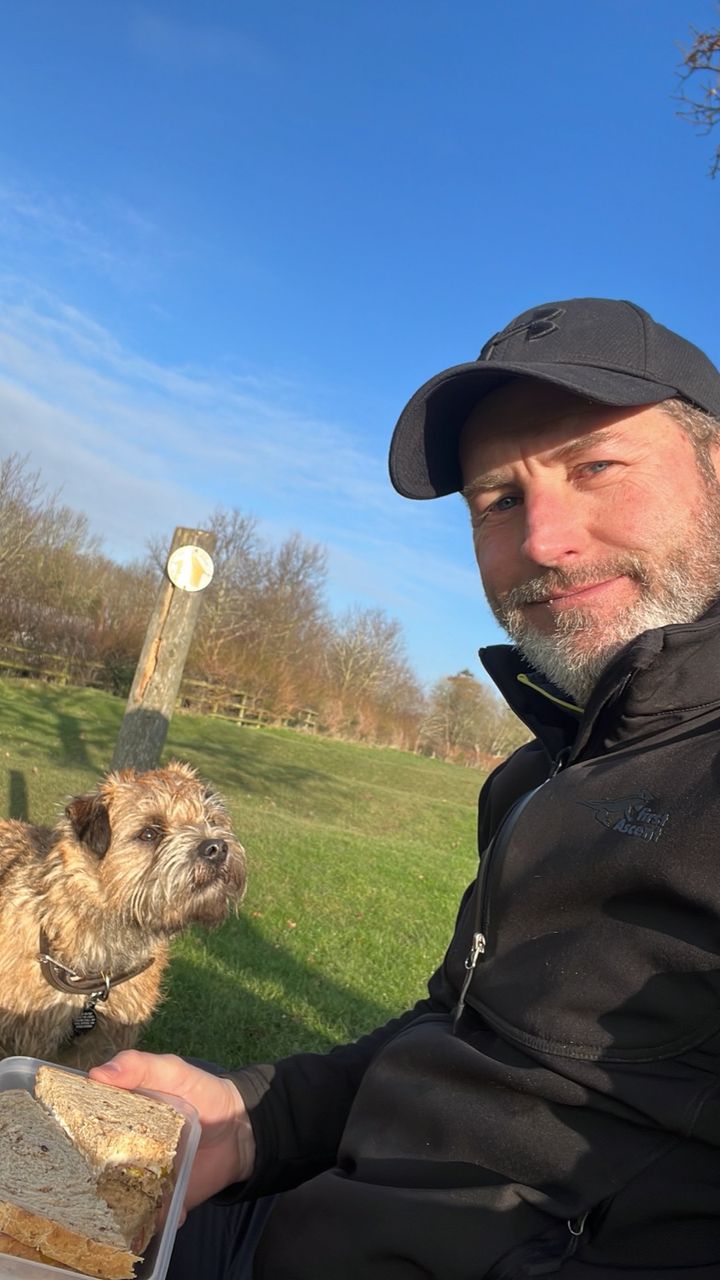
I've been on those paths in summer, walking with the kids or eating sandwiches by the side of the trail, when some bearded lunatic in compression socks and a hydration vest comes charging past. I’d look down at the town below and think he must be crazy, and go back to my sandwich.
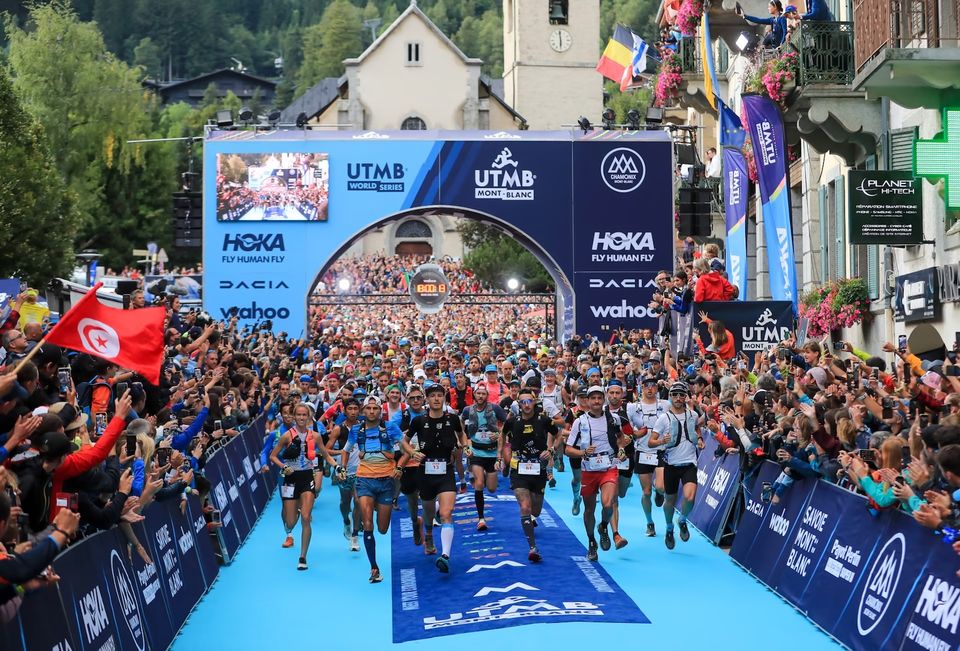
But then, sometime in the last year or so, the awareness shifted. The race stopped being a thing I admired from a distance and started being a thing I was thinking about at odd moments. In the shower. Driving to a meeting. In bed at 3am.
I started reading about it. I watched past races on YouTube.
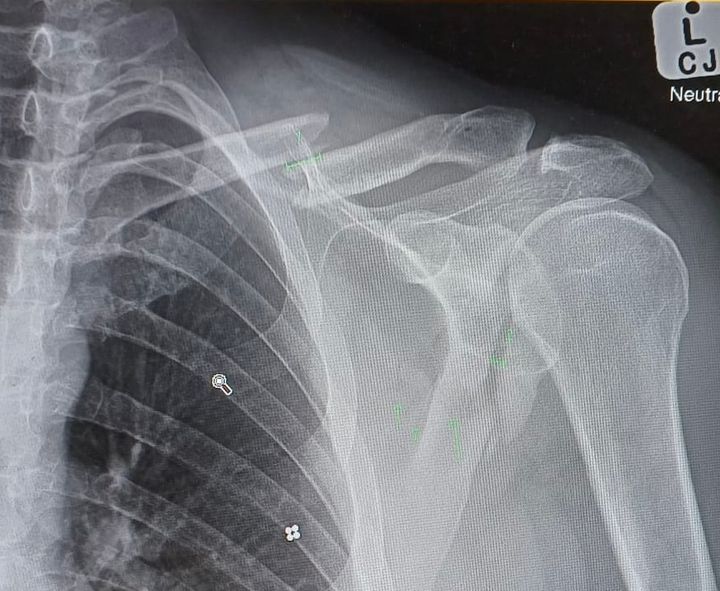
In January, I was on holiday in South Africa. One morning, with my daughter at school and friends at work, I found myself in the local Mugg & Bean coffee shop with a few hours to myself. I was fresh from a braai the night before, where my co-founder Donovan had been talking about the 4Islands Epic mountain bike stage race coming up in a few months. He was talking about it animatedly, despite the fact that he'd recently folded himself and his bike into a part of Table Mountain that still bears the imprint of his face. His shoulder was in a thousand pieces, his arm was in a sling, and his mountain bike race plans were entirely undimmed.
I opened my laptop and typed: How do I enter UTMB in Chamonix?
As it turns out, you don't just enter the UTMB. You qualify for the right to enter the lottery, by running a series of increasingly difficult build-up races. Each qualifying race earns you stones. More stones, more lottery entries.
So I've put together a year of building up.
In two weeks' time, on 17 May, the Eryri 25km in Snowdonia. One stone, and my first UTMB index. Then in July, Ultra X Wales, 50km across the Brecon Beacons. No stones, but a chance to improve that index, which is what gets me through the door at the lottery. And in October, the big one: the UTMB Kodiak 100km in Big Bear, California. As a UTMB World Series Major, it pays double stones to finishers - six stones, all at once.
That's the ladder. Snowdonia, Wales, California. If I finish all three races within the cut-off times, I'll have seven stones and eight entries to my name by the time the lottery opens in January 2027
If the draw is kind, I'll be on the start line in Chamonix in August 2027. If it isn't, I'll have spent a year getting fitter than I've ever been in my life, which isn't bad as far as Plan B’s go.
It's an ambitious year, and a scary one. And none of this would have happened without a book I read about a year ago.
Four thousand weeks
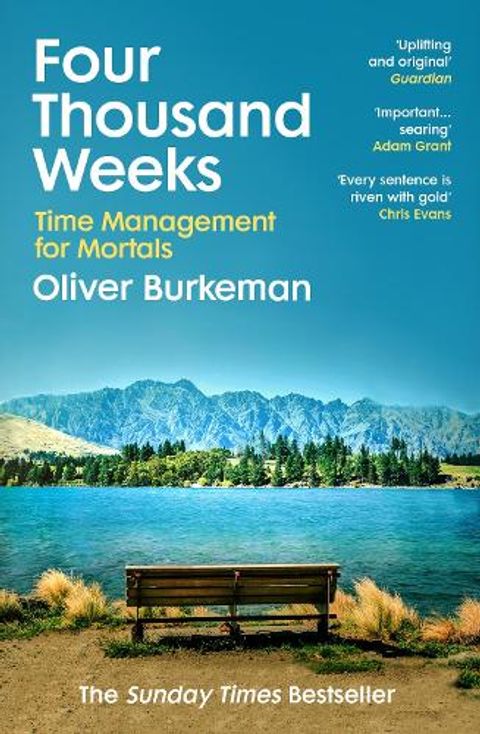
The book is called Four Thousand Weeks, by Oliver Burkeman.
The premise, roughly, is that an eighty-year life is around four thousand weeks. Not a lot really. I always joke that I plan to live to 134, just long enough to celebrate my youngest’s 100th birthday. Then I’ll happily slip off to Valhalla. Well, I say “joke”, but maybe I mean “hope”. The book made me think about what happens if I’m wrong.
I'm fifty-one. On the optimistic version, where I make it past a hundred, I've used about half my weeks. On the realistic version, if the actuarial prophets of doom turn out to be roughly correct, I've used a lot more than half. I think it’s safe to say, the bit that's still ahead of me is shorter than the bit behind. I'd not really contemplated “dying young” before.
Two things start happening when you sit with it properly.
The first one I expected. You stop saving the good stuff. The business, the running, the snowboarding I never got round to learning, the trips I kept meaning to take. All of it stops being something for later. Now becomes the only available time.
The second one I didn't expect. You start looking back. Some of what's there you can't change. Some of it, it turns out, you still can.
The audit begins…
Cape Epic, 2006: the one that got away
In 2006, me and Derek, who I'm still in business with twenty years later at Here Now Adventures, entered the ABSA Cape Epic together in South Africa. Eight days. Mountain bikes. Knysna to Cape Town. The big one.
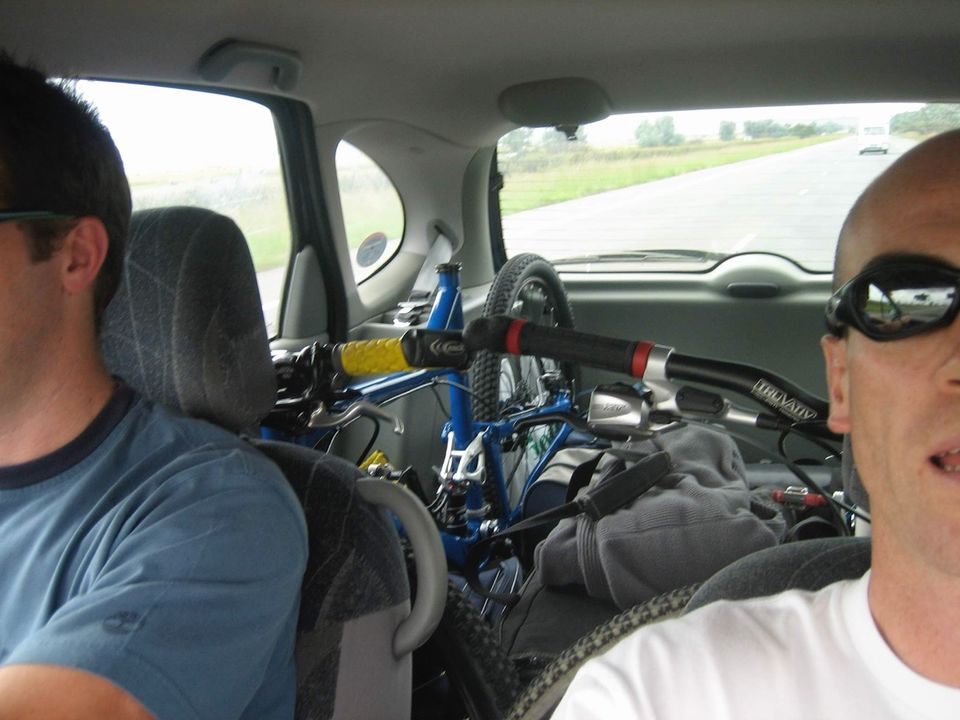
I trained more for that race than I'd trained for anything in my life. Long rides at weekends, mileage in the legs, all the right intentions. I dropped my body weight from 93 kilos to a svelte 83.
What I didn't do was train for the actual race. I rode a lot of road. I didn't ride enough gnarly, bumpy trails. I didn't do enough steep climbing. I did almost no strength work, no upper body, no conditioning. I got fitter, I got leaner, but I wasn't strong and I wasn't robust. The Western Cape was about to spend a week throwing rocks and gradients at me, and I'd shown up to a different race entirely.
I also had a million other things on my mind. Work. Business. Money. I went to the start line half-baked and knew it.
My knees were shot by the end of the first day, and day two, I bombed out. Seven days of racing left, and I was done.
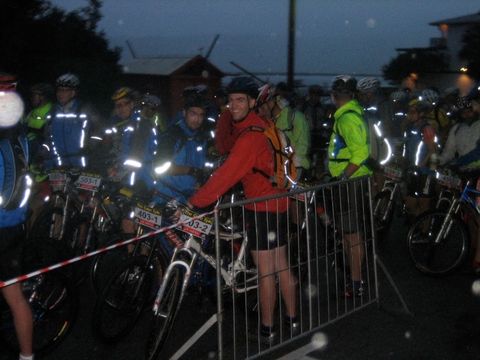
The thing that still niggles, twenty years on, isn't the DNF though of course that stings. It's that I let Derek down. He'd trained, he'd shown up, he'd backed his half of the deal. I hadn't. And the consequences landed on both of us.
For two decades I've told myself the same story about that race. I had too much going on. The timing was wrong. The training plan was off. All of which is true, and all of which is the easy version.
The harder truth, which has only really arrived in the last few months: having a million other things on my mind was the cover. If it went wrong, I had reasons. My reasons were ready before the race even started.
The bluff
Here's the thing it's taken me a long time to admit. The reason I didn't train was so I'd never have to find out I wasn't as good as I hoped.
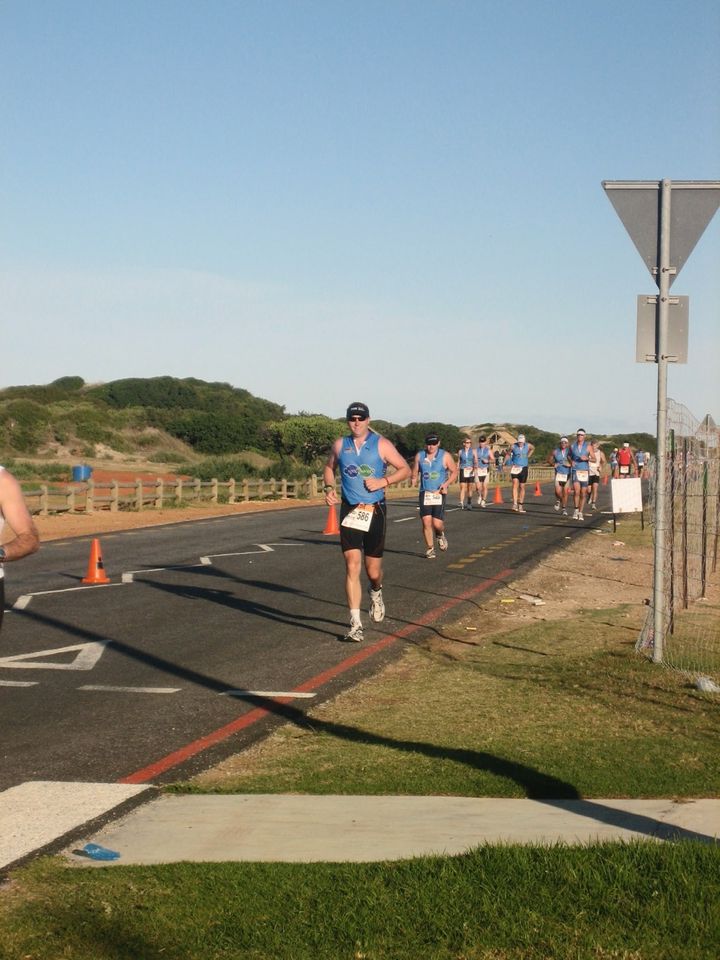
When I turned up to Ironman South Africa undertrained and finished, that was a story. Steve did Ironman without training. People bought me drinks for that. If I'd trained my heart out and posted a mediocre time, that was a disappointment. A long, quiet, slightly embarrassing kind of disappointment, the sort you carry home and don't talk about. Not training was the safer bet. My reasons were ready before the race even started, every single time.
I didn't see this at the time. At the time, it was work, kids, drinks with mates, life in the way of training. I sort of knew I was hiding. I just hadn't worked out from what.
Looking back now, the pattern is everywhere. Marathons never under four-thirty. Two Oceans Ultra Marathon in Cape Town, finished with fifteen minutes to spare on the cutoff. Ironman South Africa, three hours inside the cutoff but probably two hours off what I could have done if I'd actually committed. Every one of those finishes came with a built-in excuse, prepared in advance, ready to deploy if it didn't go well. Most of them, it didn't really go well. The excuses got used.
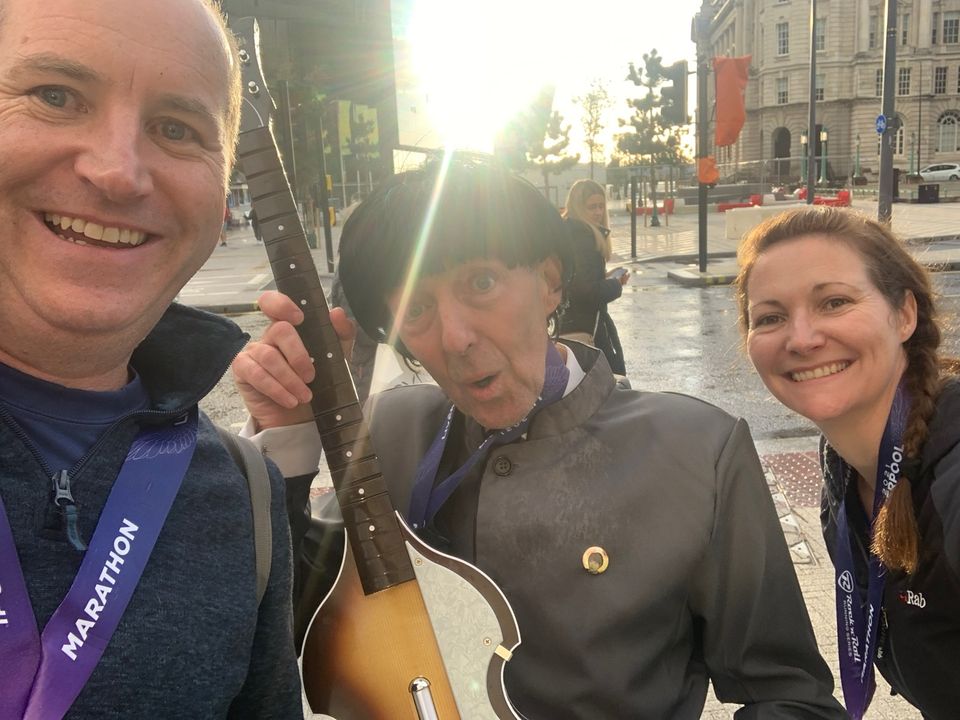
It wasn't just running. A youthful smile and the twinkle in my eye got me a long way in sales and business. Charm covers a lot when you're young. But now the twinkle isn't quite as bright as it used to be, and these last few years I've started putting in the kind of work I've been telling my sales teams to do for twenty years.
There are other places this showed up too. We won't go there now.
What I'm doing now, at fifty-one, is finding out whether I'm as good as I hoped. For the first time. About time, really.
The question still on the table
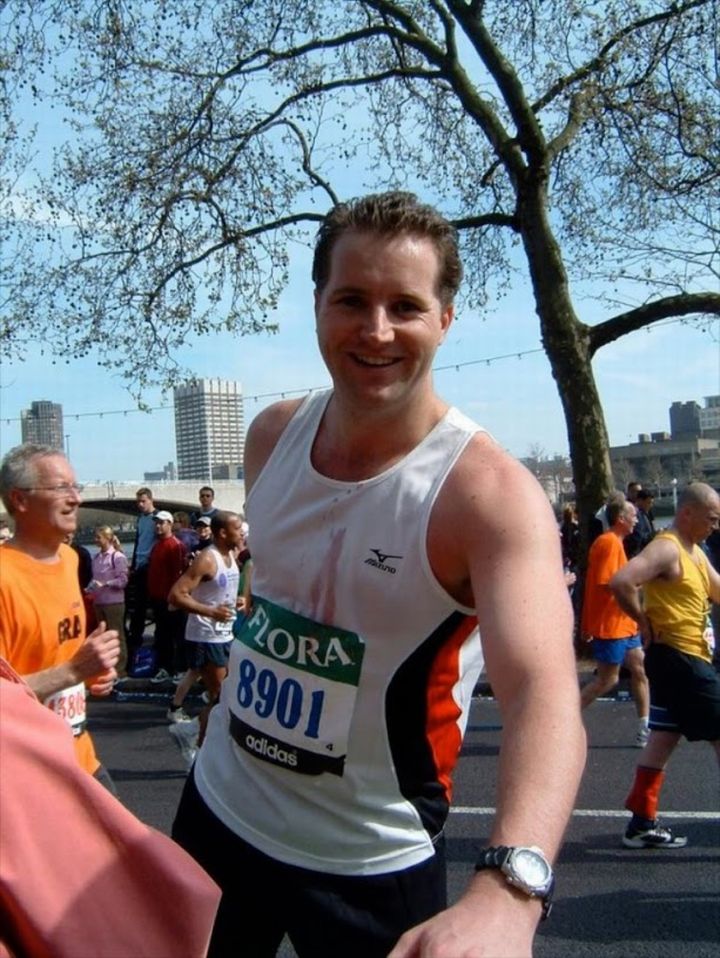
There's a question I used to ask my younger self. By younger, I mean last year. What could you have done if you'd actually trained? I'll never know. That book is closed. I was twenty-five once, and twenty-five-year-old me did what he did. I can't go back and make him take it seriously.
But there's a different question, and this one I can still answer.
If I give it everything now, how good am I now?
Not how good I would have been. Not how good I might have been. How good I am, at fifty-one, with the body I've got, the hours I've got, and the stubbornness, which apparently still thinks puberty was last week.
I don't know the answer yet. That's the entire point. For the first time in my life, I'm going to find out.
The backwards apprenticeship
I started running again in February.
The first run was four kilometres. It hurt. The next week I did five kilometres. That hurt more. I was fifty-one years old, ninety-five kilos, and the version of me who used to do this for fun had filed for retirement somewhere around 2015.
My first proper training week was four runs, twenty kilometres total. That was as much as my legs would allow.
This week I'll do forty six. By July, before the Ultra X Wales 50km, I'll be peaking at seventy five. By October, before California, a hundred and two.
Those numbers are tiny by serious ultra standards. The runners doing well at Kodiak are putting in 160-kilometre weeks for months on end. But my legs are new to this and I'm old enough to know that throwing big mileage at fifty-one-year-old anything is how you end up not running at all. So I'm building it the way the books have always said to build it. No more than ten percent more than the week before. A deload week every fourth week, where the mileage drops back and the body catches up.
I've known this stuff for thirty years. I've even suggested it to friends and family when they were struggling. But I'd filed it away as something other people did, not me.
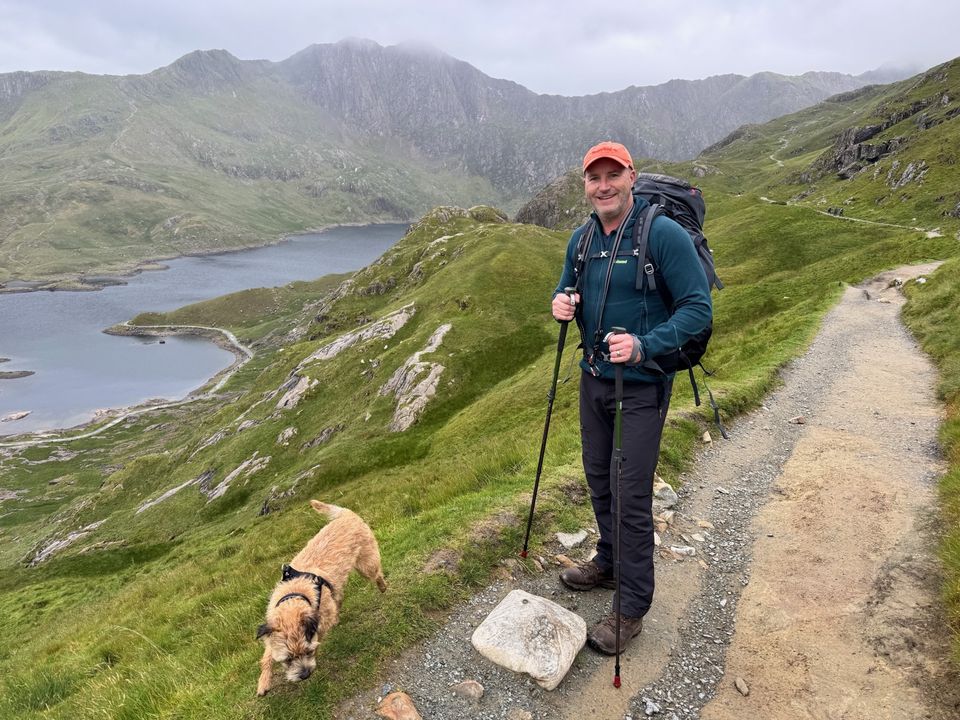
Well, here I am, finally doing it. And, I should add, it’s mostly enjoyable. Most of the runs are in places I want to be, and an increasing number are with people I want to be with.
The strange part is that I don't feel fitter. Every week I'm running at the new edge of what my legs will tolerate, so every run feels hard. My watch says I'm getting fitter. The body, it turns out, doesn't. It just quietly plods along letting you do things that were impossible six weeks ago. I went out the other day and did nineteen kilometres in the hills. In February that wasn't a possibility. Now it's just what's on the schedule for a weekend.
Sore shins and Michael Flatley
A few weeks into my training, my shins started complaining. The fix, it turned out, was to take shorter, faster steps. I was running at 150 steps per minute and so I tried to hit 180. I ran what felt like extremely fast little steps, almost mincing along. I felt as light as Michael Flatley in Lord of the Dance. Or maybe Grasshopper from Kung Fu, skipping across lily pads.
I checked my watch afterwards. 163 steps a minute.
I am six foot two and ninety-five kilos. Maybe that's what tap-dancing looks like at this size.
A few weeks of practice using a metronome however, I'm closer to where I need to be. I’m still no Fred Astaire, but that was the first time the effort paid off. Which raised the question of what the effort was for in the first place.
Why do we chase things bigger than us?
Griffin chases things he can see.
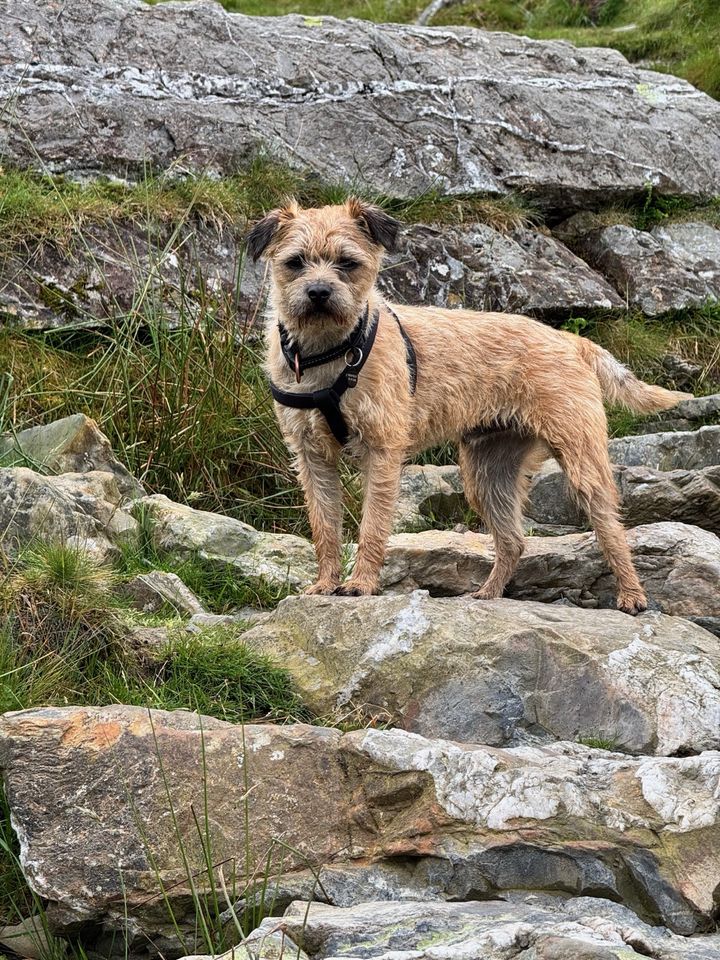
A rabbit. A bird. Something that moves through the long grass at the edge of his vision. He'll go full pelt at it, ears flat, body extended, the whole machinery of a hundred generations of border terrier breeding firing at once. And then the rabbit is gone, or the bird is up, or whatever it was has slipped behind a hedge, and that's the end of it. He stops. He sniffs the air. He moves on. He isn’t, three weeks later, lying awake at 3am thinking about that rabbit. He isn’t collecting stones, of all things, to qualify for another shot at it. He isn’t building a six-month plan around the possibility of seeing it again next October.
That is the dog version of chasing.
The human version, or my version at least, is to chase things eighteen months away, in another country, that might not even let me in. To chase something I have to qualify to chase. To lie awake some nights actually thinking about the qualifying.
Why do we do this?
I genuinely don't know. Some combination of fear of standing still, and the suspicion that the things which are out of reach must, by virtue of being out of reach, be the things worth having. All bullshit of course, but knowing something is bullshit doesn't stop the chasing.
Maybe the better question isn't whether to chase. Maybe it's whether you can do it without losing the rabbit-in-front-of-you part.
I don't know that one either.
The Lazy Dog Theory
Griffin, for the most part, is the clever one. The voice that says it's raining, the couch is right there, you have nothing to prove, you are three-hundred-and-fifty years old in dog years, and the hundred-mile race is still eighteen months away even if it lets you in, which it might not. He doesn't say any of this in words, obviously. But I can see it in his eyes. And I know he knows I love a couch.
He is also the proxy for something I'm not very good at, and possibly for the version of me that hadn't read Four Thousand Weeks, didn't know about UTMB lotteries, and just wanted to chase the rabbit. He is here, on this path, doing this thing. He is not anywhere else. When the run is over, the run is over. He doesn't drag it home with him.
I admire that more than I can quite say. Or at least, I'll admire it after UTMB.
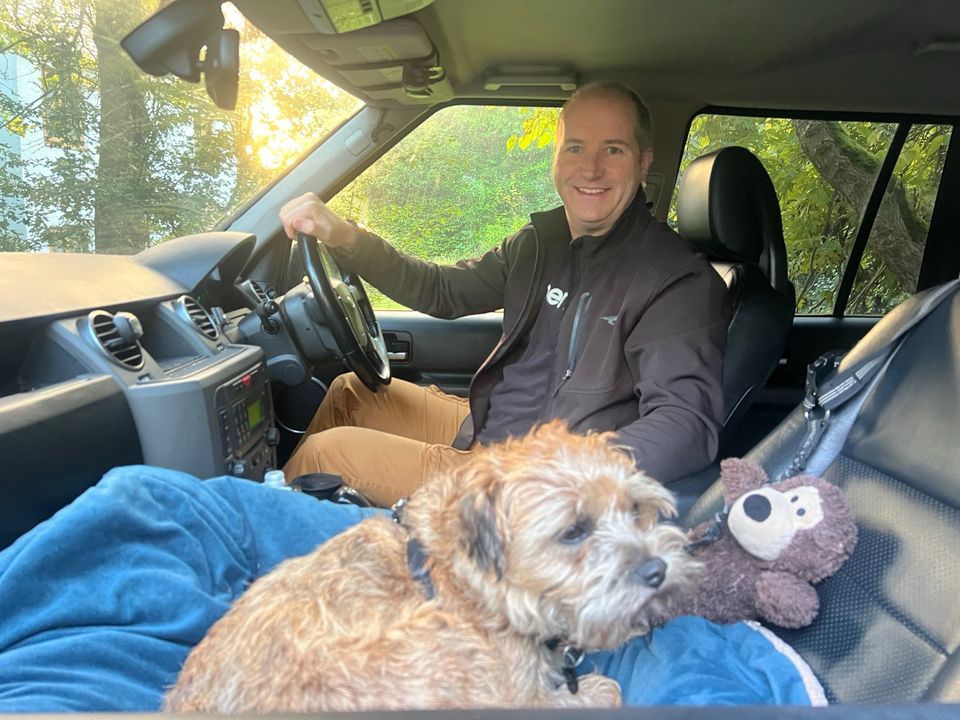
We are, in our different ways, two reluctant athletes. Griffin has the legitimate excuse of being a Border Terrier. I have the books, the watch, the metronome, and the lingering ghost of Cape Epic 2006. We are both showing up anyway.
One of us is a reluctant runner who will do anything for a tummy rub and a treat. The other one's a dog.
The grown-up bit
The version of me who entered Cape Epic in 2006 would be entering the UTMB right now.
He'd have skipped the qualifying ladder, found a back door, talked his way in, and been on the start line in Chamonix in August this year, clutching a half-trained body and a full set of ready-made excuses. He was good at that. He'd done it for years.
The version of me writing this is doing it differently. The qualifying ladder is the qualifying ladder. The plan is the plan. And the Kodiak 100K in October is the decision point, not a stepping stone I've already mentally crossed.
I've had to genuinely talk myself into this. The 100K will tell me what fifteen or twenty hours on my legs actually feels like. Whether my body holds up. Whether my head holds up. Whether I want to do anything like that, ever again, let alone double it.
After California, I'll decide. Properly decide. Not simply default into "I've told everyone I'm going to do it, so now I have to."
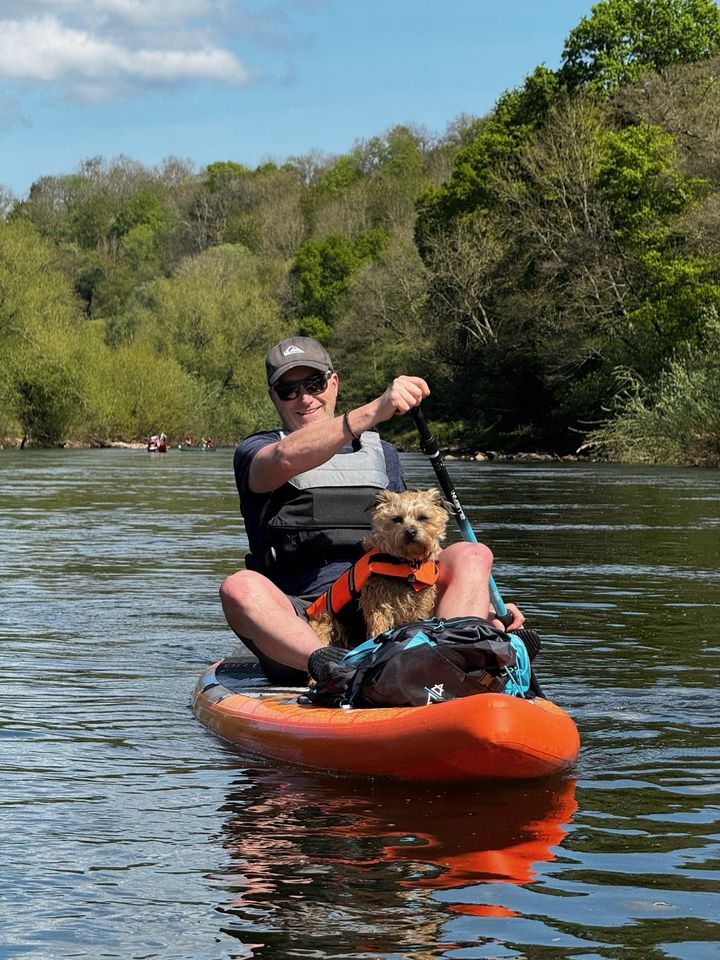
This is new ground for me. Past me would have committed publicly, then dragged my body through whatever it took because the words were already out there. This me has built in the option to tap out and walk away as part of the plan.
You don't have time, in life, to keep grinding through things that aren't right. The four thousand weeks logic cuts both ways. Not enough time to keep putting off the things I want. Not enough time to keep doing things I don't want anymore.
At some point my body won't let me do this. Until then, just enough time, I hope, to find myself at the start of Cape Epic again one day.
What this is
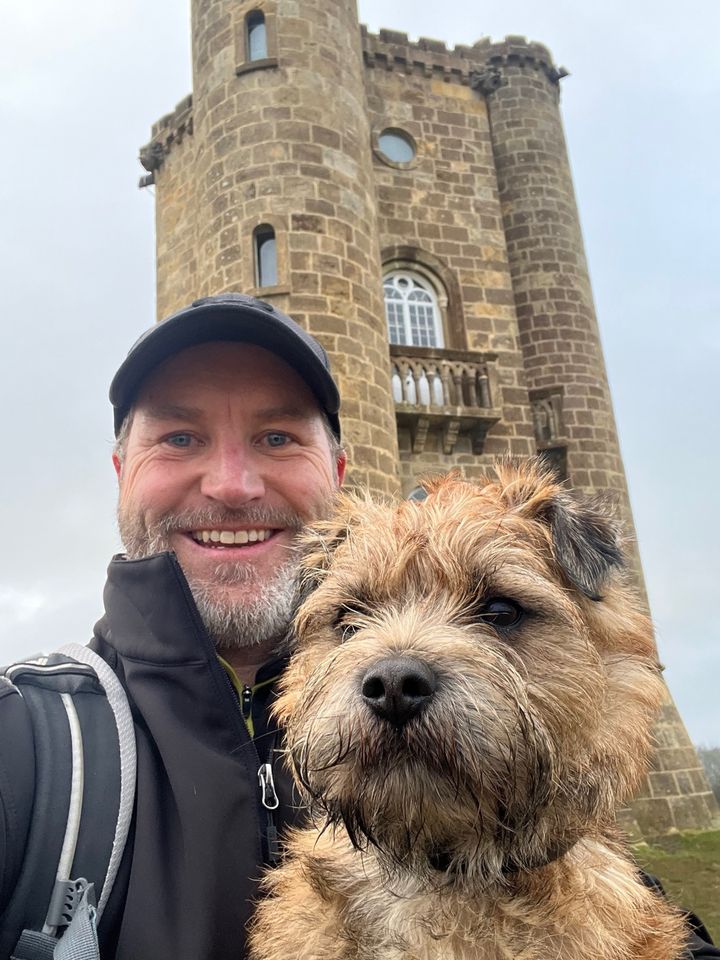
You might be asking yourself whether all of this is a midlife crisis. I know I've thought about it. The honest answer is: not in the sports car sense. But in the sense of someone in their fifties realising he doesn't have an unlimited supply of summers left, and deciding to spend the ones he has more deliberately than he spent the last twenty? Yes. Probably. If that's a crisis, sign me up.
It's the thinking that started Here Now Adventures. The business exists because I'd rather be in this world every day than save it for the weekends I never quite take. The running is the same calculation, applied to my own legs. Taking up snowboarding applies the same theory to whichever bone I end up breaking first.
I don't know yet whether Griffin will ever get fit enough to join me on the long runs, or whether he'll just keep doing what he does best, which is going at his own pace, on his own terms, in places that interest him. Either is fine. He's a border terrier, not a project.
As for me, I'm not chasing youth. Youth is a closed account. I'm designing the life I want to live, and trying to become the person I want to be, while there's still time to do something about either. I joke about living past a hundred. And just in case that happens, I'd rather get there on my own feet and still chasing things, than be hoisted in by a winch and propped in a corner with a label round my neck.